RU

cheetah
1. The cheetah is not a “big cat” in the strict sense.
It's not a Panthera genus, because of the peculiar structure of the vocal cords of the cheetah. can't growlOnly purring, chirping and singing.
2. The most aerodynamic predator on the planet
His body is a biological bolide:
• The spine acts as a spring,
Large nostrils draw in 50% more air
The heart and lungs are disproportionately large.
• The stiff tail is used as a steering wheel on corners.
3. Unique "non-dog" claws
The cheetah is the only representative of cats with semi-retractable, which work as tires with a tread, increasing traction.
4. Two types of tear stripes for sun and hunting
Black stripes on the face ("tear paths") reduce glare and help to accurately estimate distances at high speed.
5. Fastest acceleration among animals
Cheetah accelerates from 0 to 100 km / h per 2.5–3 seconds It's faster than many sports cars, but it only lasts 20 to 30 seconds.
6. Cheetahs are the most genetically homogeneous mammals
Because of the ancient extinction, they survived a "bottle throat" - all modern cheetahs are almost genetic copies of each other.
Consequence: weak immunity and complexity of breeding.
7. They don't know how to guard prey.
Cheetahs often lose prey to hyenas and lions because of their light build, and up to 50 percent of their food is stolen by other predators.
8. Cheetah 'talks' in bird language
It makes sounds similar to chirping or squeaking, one of the most unusual vocals among large predators.
9. The best day hunter in the world
Unlike most cats, the cheetah relies on vision and hunts. daylightAvoid conflicts with nocturnal predators.
10. Males form 'coalitions'
Usually 2-3 brothers stay together for life, hunting and defending the territory - this is a rare case of social behavior in cats.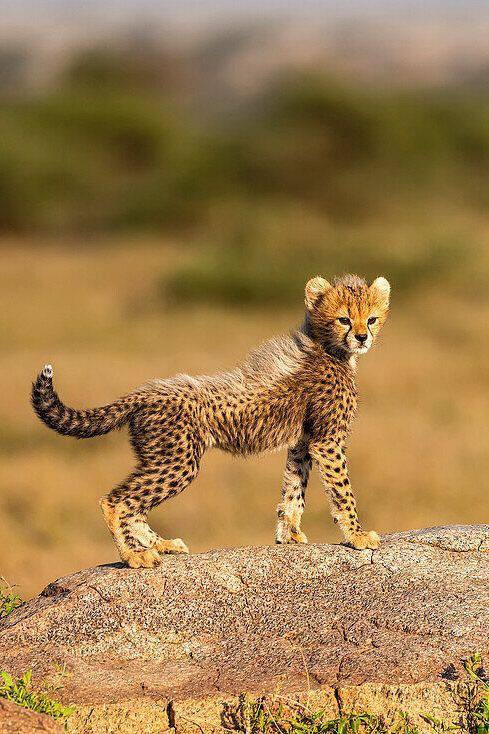
Deer.
1 The only animals that grow whole bones every year are horns.
And the horns of the deer. It is the fastest growing bone among all mammals.In some species, they increase to 2 cm per day.
2. reindeer are the only ones who see ultraviolet light
This allows them to distinguish between predator tracks, wolf urine and lichens in the snow – this is invisible to humans.
3 Deer have 'bioluminescent eyes'
In reindeer in winter, the color of the reflective layer of the eyes changes. In summer it is gold and in winter it is blue. To see better in the polar night..
4 Females of some species also wear horns.
Caribou deer have horns in both sexes, and females hold their horns in the winter to protect their food supplies from males.
5 Musk deer is a deer without horns, but with huge fangs
Males grow long "vampire" fangs up to 10 cm This is one of the oldest types of deer on Earth.
6 Deer can hear ultra-low frequencies
Some species respond to infrasound, sounds that create storms, avalanches or large predators.
7. Their hooves are high-tech "suspension"
In winter, they shrink and become sharp (like cat’s claws), and in summer they expand and work as shock absorbers.
8.The heart of a reindeer enlarges in winter
To pump more blood and keep heat in minus 40 °C.
9.The deer have a surprisingly quiet stride
The structure of the hooves and tendons allows them to walk almost silently - this is important for protection from predators and movement on nastu.
10 Some species can swim better than dogs
Reindeer develop speeds of up to 10 km / h in water, using hollow coats as “floats”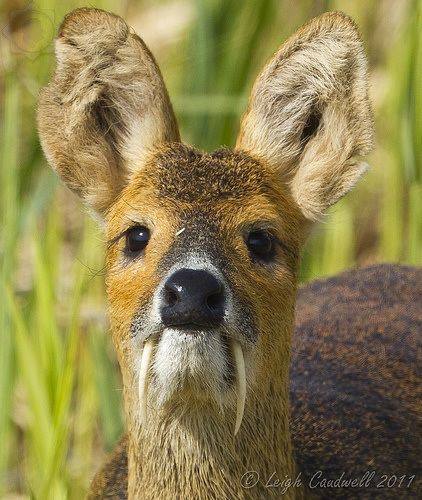
Otter.
1. Otters are master instrumentsThey systematically use stones as hammers.
2. They hold their paws in their sleep.So that they are not carried away by the current - one of the most touching phenomena in the animal world.
3. The densest fur - up to a million hairs per cm2.
4. They have pockets under their feet.Where they hide stones and prey is a unique anatomical feature.
puma
1. The hind legs allow you to jump 6 m In length and 3 m in height - a record among large cats.
2. Area from Canada to Patagonia It is the most common cat in America.
3. Quiet predators - almost do not growl, communicate with whistle and purring.
4 Kittens are born with spotsThey disappear by adulthood.
Short snags of cougars can reach 80 km/hThey can’t keep that speed for long, unlike cheetahs.
Pumas are able to remember routes, analyze the behavior of prey and choose the best places for ambush.
manul
ManulHe's aka Pallas' cat.) is one of the rarest and most mysterious wild animals in Asia.
1. The most "flat" face among cats
Manula has flattened snouts and low-set ears, which are not just the grace of nature, but it helps to remain invisible in the steppe: the ears do not rise above the grass, and the muzzle breaks the shadow, masking the silhouette.
2. The fluff of all the cats on the planet
Manula hair is one of the thickest in the world of animals: up to 9 000 hairs per cm2, up to 7 cm long It protects against extreme cold - up to -50 ° C.
3. Miniature, but massive.
With a height of only 25-30 cm and a weight of about 5 kg, it looks much larger due to its thick coat and wide head, which creates the illusion of a “little steppe tiger”.
4. Lives up to 5,000 m.
Manulas live in the mountains of Central Asia, from Altai to Tibet, where there is almost no oxygen and sharp temperature changes.
5. Unique look
The pupils of the manula are not vertical, like other cats, but round, like big cats, like lions or tigers. This is a rare feature for predators of its size.
6. Master of Invisibility
It barely runs, flattens and freezes when it's in danger, becoming a stone among the grasses, and its color perfectly repeats the shades of mountains and steppes.
7. The short meow is a rare weapon.
The manulas make short, hoarse cough-like sounds, a means of communication, not threats, and in the steppes, a loud cry will attract predators.
8. Lives in solitude and secrecy
Two manulas meet in nature, and they avoid each other, even during the breeding season, and mark the territory very carefully.
9. Slow hunter
Manul doesn't run after prey, he ambushes pikas and rodents for hours, and his strategy is patience and camouflage.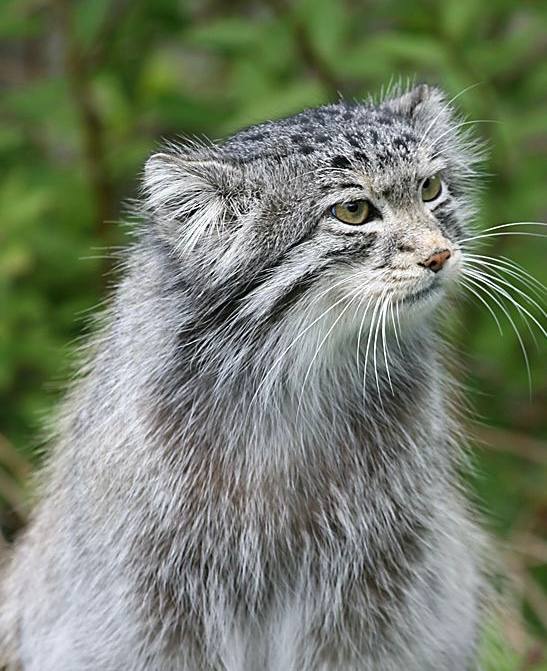
Wolf.
1. They can hear 10km away.
A wolf can hear sounds up to 10 kilometers in the forest and up to 16 kilometers in the open, and its hearing is one of the sharpest among mammals.
2. They don’t howl for fear, but for connection.
Howling is not a threat, it's a complex language: wolves vocalize emotions, call packs, mark territory, even coordinate movement from a distance, each howl is as individual as a fingerprint.
3. One of the most monogamous predators
Wolves form pairs for life, and if one partner dies, the other may not find a new one for long.
4. Family democracy.
The myth of the pack's "rigid hierarchy" is outdated, and research has shown that in reality, a pack is a family where decisions are made jointly, and an alpha is just parents, not dictators.
5. Invisible footprints
The wolf steps with its hind paw exactly in the trail of the front - this saves energy and makes movement noiseless, especially in snow.
6. Can run 50 km without rest
Their endurance is amazing: wolves are able to walk 80 km a day, changing pace and keeping their breath.
7. Intelligence and memory
Wolves can remember up to 70 different routes, and they can return over the years, and their spatial memory is akin to human navigation.
8. Humor bias
Researchers have observed cases of “playing for a joke”: adult wolves pretend to lose to puppies in order to develop confidence.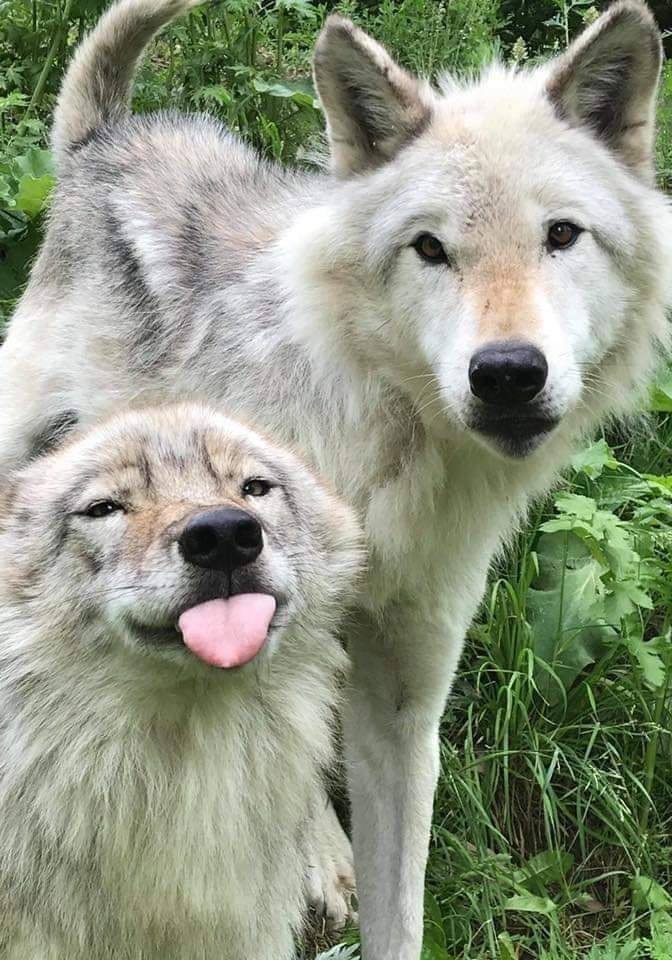
The Augan Greyhound
1. Ancient origins
The Afghan Greyhound is one of the oldest dog breeds in the world, and its images are found on rock paintings and bas-reliefs dating back more than 6,000 years.
2. The Royal Dog of Afghanistan
Afghans were kept by noble families and tribal chiefs, used to hunt gazelles, snow leopards, and even wolves — the dog had to be fast, brave, and silent.
3. Unique fur for extreme conditions
Long, silky hair is not just a decoration, it's protection from the wind, cold and sun of the highlands. Each hair has a structure that helps regulate body temperature.
4. "Cat character"
Afghans are known for their independence and refined manners, choosing when to obey, and often behave not like dogs but like proud cats — observing, analyzing, selectively acting.
5. Almost human-like gait
The movements of the Afghan are graceful and springy, as if he were glides through the air, which is called in exhibitions "flying allure" - one of the most recognizable steps among all breeds.
6. The Most Model Dog in the World
The Afghan Greyhound is a frequent character in fashion shows and advertising, and has been used by brands from Givenchy to Gucci as a symbol of sophistication and aristocracy.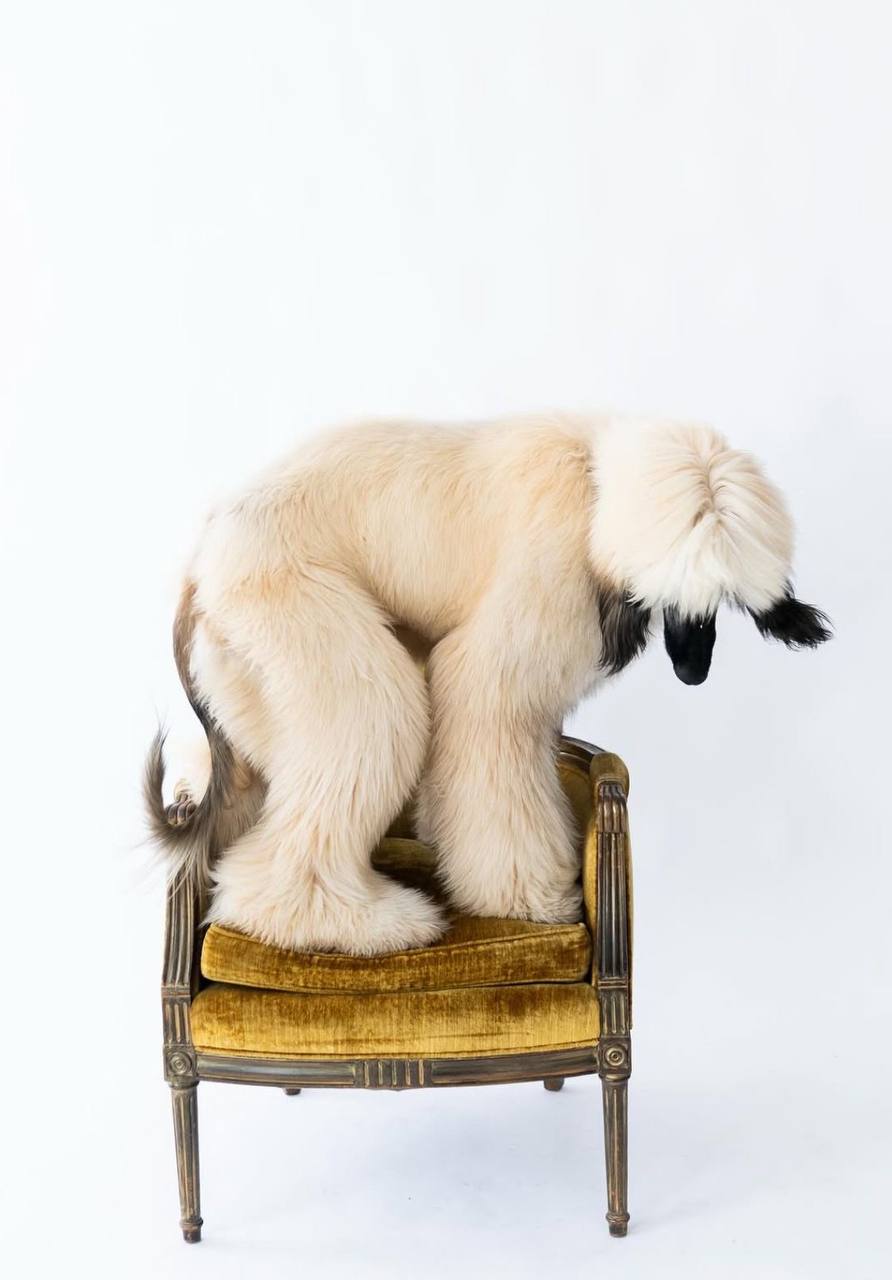
Alaskan Malamute
1. The oldest driving breed in North America
The Malamute is one of the oldest breeds to have existed long before the first European expeditions, and its DNA has barely changed in thousands of years, making it a "living archaeological artifact" of canine evolution.
2. Designed for endurance, not speed
Unlike the Siberian Husky, which pulls light sleds at speed, the Malamute pulls heavy loads - he was nicknamed the "truckman of the Arctic".
3. He's got a smile.”
Because of the peculiar structure of the lips and cheeks, it creates the effect that the malamute is always smiling. It's not a myth -- it's considered a breed standard.
4. He doesn't bark - "speaks."
Malamutes hardly bark but "talk" - growling, grunting, singing and making sounds reminiscent of human speech, often referred to by owners as "talking wolves."
5. The wolf, but not the hybrid
Although it looks a lot like a wolf, the Malamute is a completely domestic dog, but its genes are indeed closer to those of ancient wolves than most modern breeds.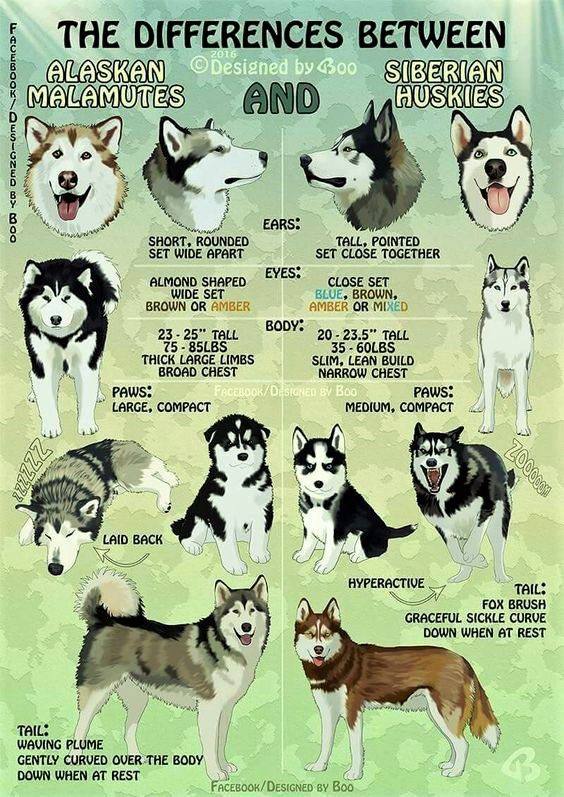
Hare
1Rabbits are born sighted and fluffy, but rabbits are not.
2. Develop up to 70 km / h and jump 3 m.
3They use the ears as a radiator to cool the body.
4. The symbol of the moon in the myths of Asia and the sign of immortality.
And the skins:
Eyes on the back of the head.
The rabbit’s eyes are positioned so that it can see almost 360 degrees around, including what is happening behind it.
Supersurvival.
The heart of a hare can beat up to 300 beats per minute when running, and the blood contains elevated levels of oxygen - helping to withstand marathon races.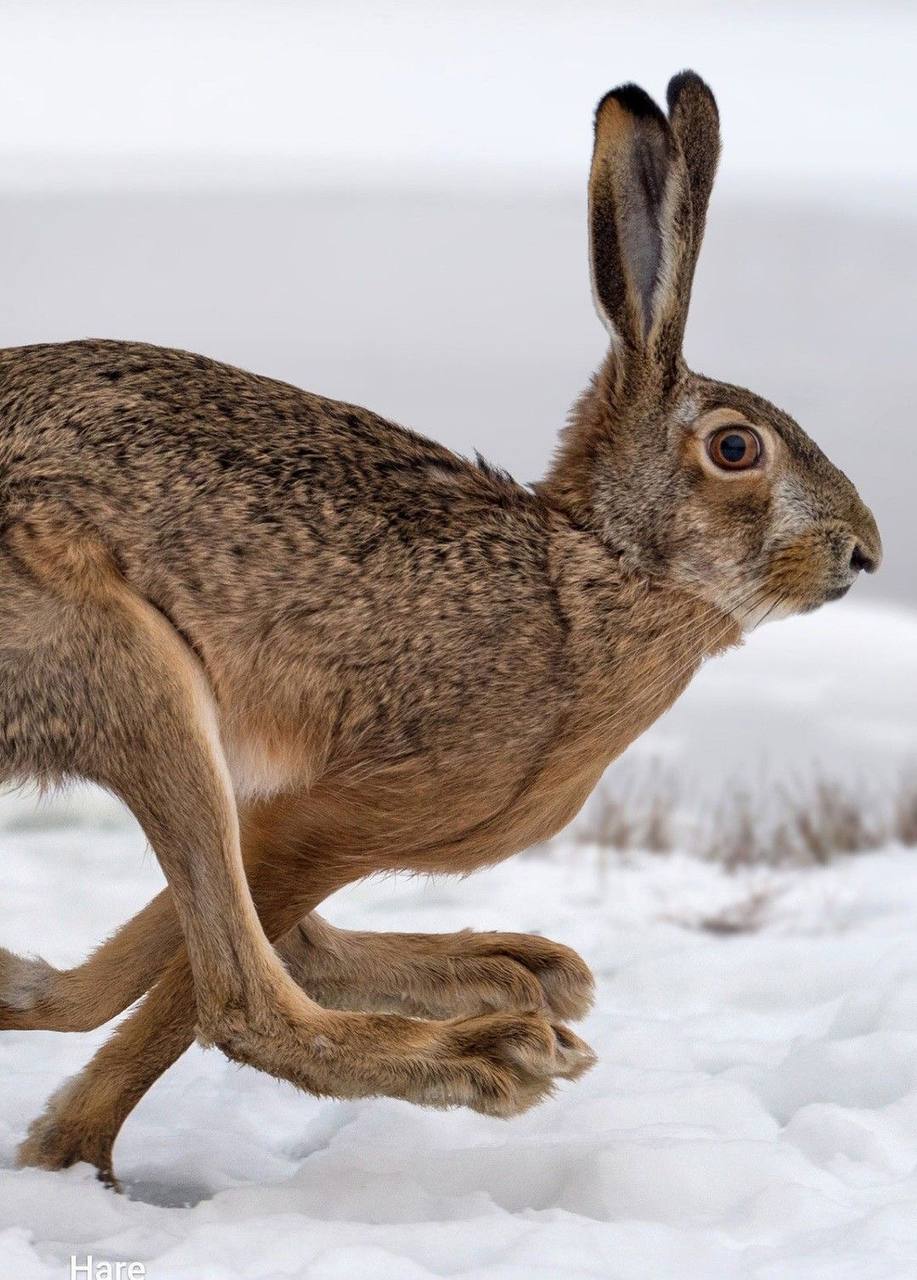
Red panda
1. No panda, no raccoon, no cat.
Despite its name, the red panda is not a relative of the great panda or a raccoon (though it was previously classified as such). Scientists have isolated it in a separate family - Ailuridae, the only representative of the genus Ailurus. She is an evolutionary loner, a “living branch” of an ancient lineage of predators.
2. Herbivorous predator
The structure of its teeth and stomach is a predator, but feeds almost exclusively on bamboo (up to 95% of its diet).To survive, the red panda must eat bamboo for up to 13 hours a day, absorbing up to 4 kg of leaves and shoots.
3. Night acrobat
Active at dusk and at night, climbing trees perfectly, sleeping, sitting, hanging her tail like a blanket, and in winter literally wrapping it up like a scarf.
4. The sixth finger is like a giant panda.
It has an extra “finger,” a modified wrist bone that helps hold the bamboo stems as if with your fingers.
5. The name is related to fire.
In Nepalese, the word ponya means "firefighter" or "firefighter," hence her name, "red panda," and in fact, the word panda was first applied to her, not to the giant panda.
6. An ancient mystery
Fossil relatives of the red panda have been found even in Europe! Millions of years ago, its ancestors lived from the Himalayas to the Pyrenees.
7. "Purring" in its own way.
It makes a special noise, called "huffquak," a mixture of whistles, tweets and purrs -- it's a friendly signal, not a threat.
8. Communicates with tail and smell
The red panda has special glands on its soles that leave a odor mark, and the fluffy tail serves not only as a balancer but also as a way to "talk": you can tell the animal's mood from the position of the tail.
Sipouha - Owl ghost
1. Heart-shaped face is the perfect radar
Characteristic of the "heart" face disk works as an acoustic antenna, focusing sound directly to the ears.
2. Ears at different heights
One ear is higher than the other, and this gives the supple a three-dimensional hearing, which determines not only the direction, but also the height of the prey.
3. Hunting in total darkness
The soup is able to catch a mouse without seeing it at all, focusing only on the sound of footsteps or breathing.
4. The quietest flight among birds
The edge of her feathers is jagged, and the surface is velvety — flight is almost silent.
5. White as a ghost.
The light plumage reflects the moonlight. To rodents, it looks like a falling sky, causing a stupor.
6. Swallowing prey whole
Then it regurgitates, neat "capsules" of bone and wool, which scientists use to study ecosystems.
7. cosmopolitan
It is one of the most widely distributed birds in the world and lives on almost all continents except Antarctica.
8. It doesn't.
Unlike other owls, it hisses, whistles and makes eerie cries, which in the Middle Ages was considered the spirit of death.
9. The best rodent controller.
One bark per season destroys hundreds of mice and voles - farmers specially put them houses.
10. Chicks are the conveyor belt
In one nest, chicks can be of different ages: eggs are laid at intervals so that at least someone survives with a lack of food.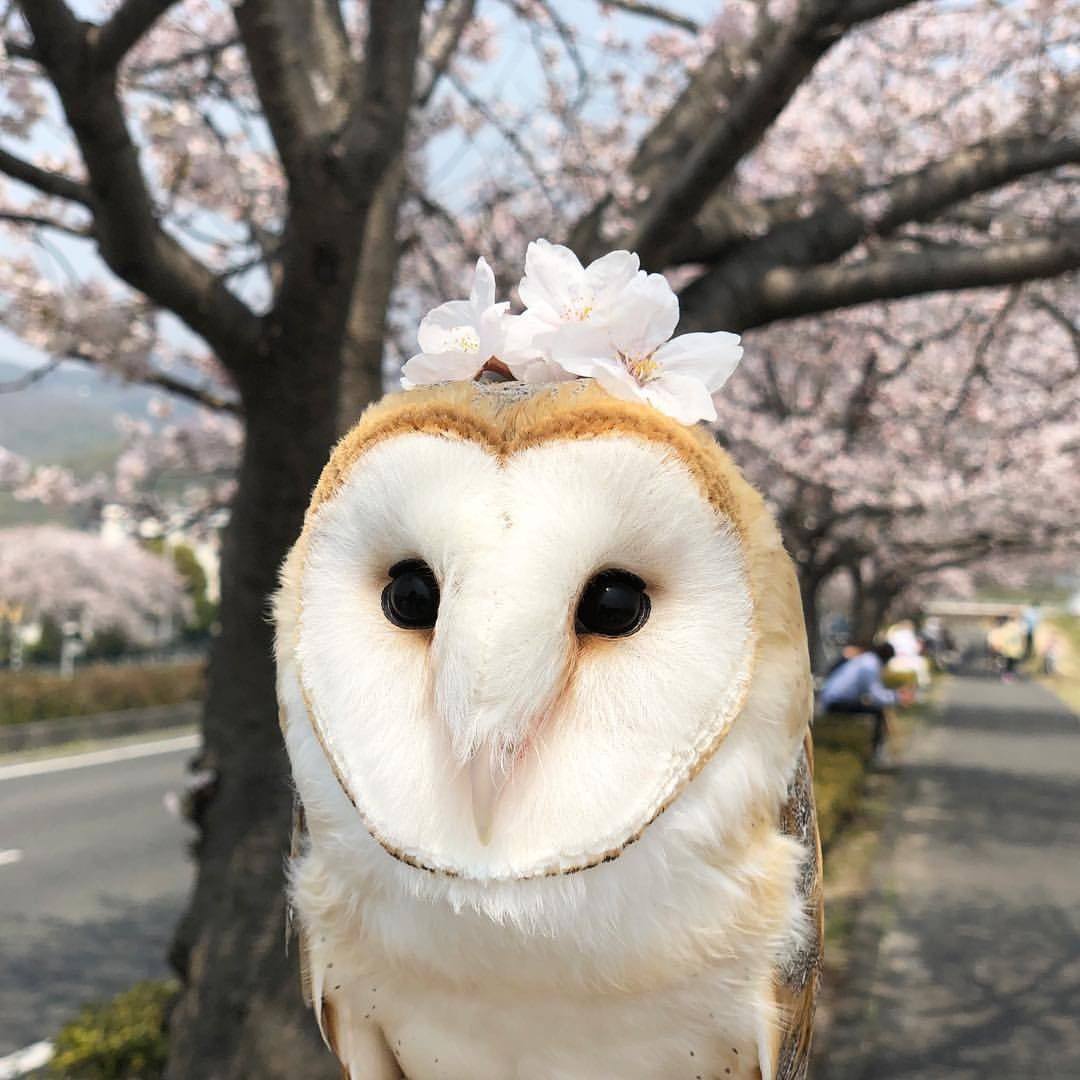
The maned wolf.
1. Not a wolf or a fox
Despite its name, the maned wolf is neither a wolf nor a fox. He is the only representative of a kind of Chrysocyon, an evolutionarily isolated “relative” of all canids. It is as if the wolf, fox and deer were “gathering together in one beast.”
2. Feet like a deer.
His incredibly long, slim legs are adapted to the tall grasses of pampas and savannahs, which make him see prey over grass and move silently, and for this he is sometimes called "fox on stilts."
3. Smells like a "skunk wolf"
Its musk has a strong, peculiar smell, which is why the locals nicknamed it “lobo vinagre” – “a vinegar wolf”.
4. Vegetarian
Although he looks like a wolf, he is almost half herbivorous and loves to eat fruit, especially the wolf apple.Solanum lycocarpum) - a plant named after him because foxes and wolves do not eat it, and mane loves it.
5. The Lonely Savannah Philosopher
He almost never hunts in a pack, acts like a wandering hermit, marks territory and lives alone — even pairs are rare, only during breeding season.
6. A voice like a mythical beast
His cry is a deep, long "bow-bow" heard from miles away. He doesn't howl like a wolf or bark like a dog -- the sound resembles something between a roar and an echo.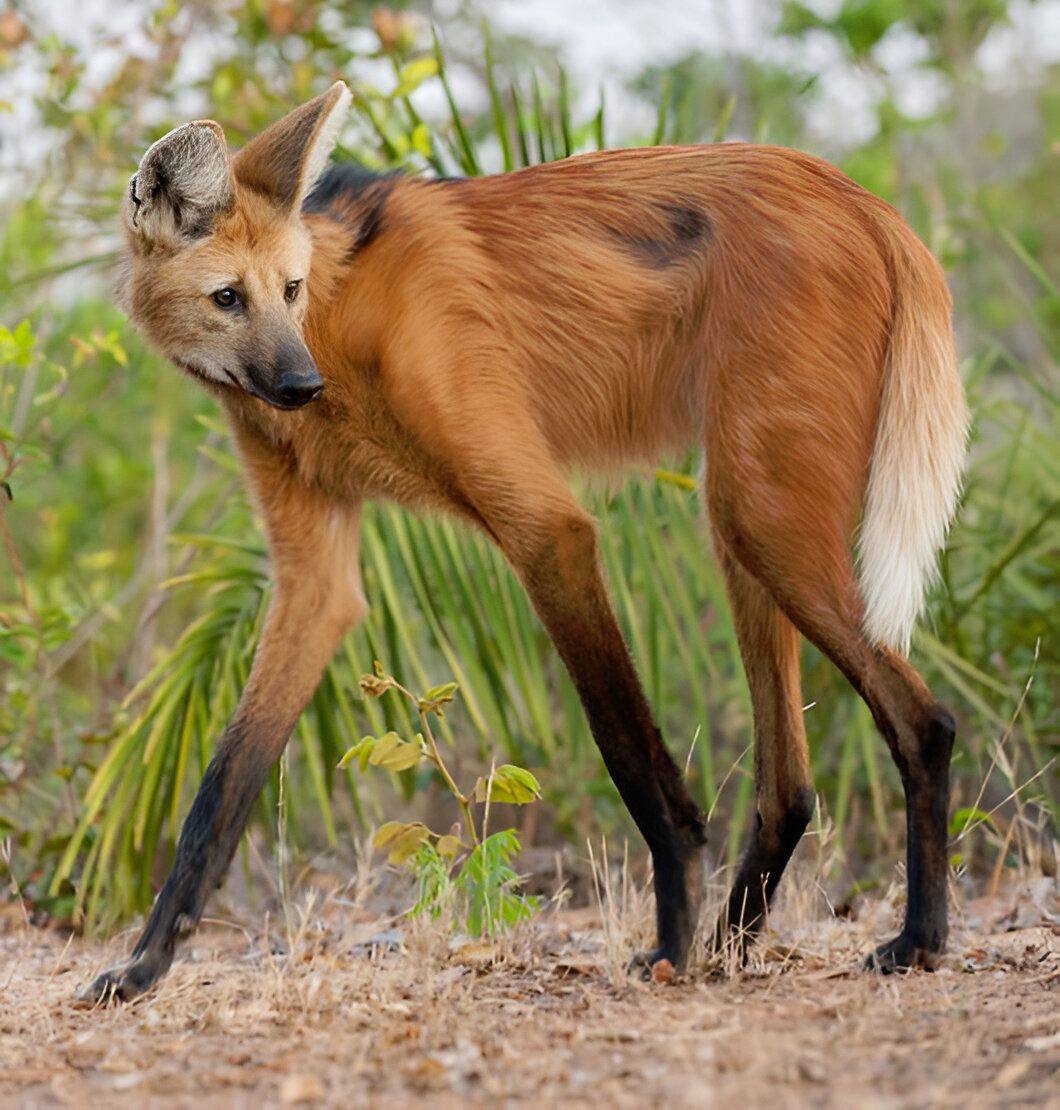
Tibetan fox
1. "Square" muzzle Her unique appearance makes her look like an angry cartoon character.
2. Collaboration with snow leopard and bear A rare case in predators: the fox acts as a “partner”, eating or picking up prey.
3. High-mountain record holder - lives at an altitude of over 5000 m, where there is almost nothing to breathe.
4. The ability to "freeze" It freezes and merges with stones and grass, becoming completely invisible.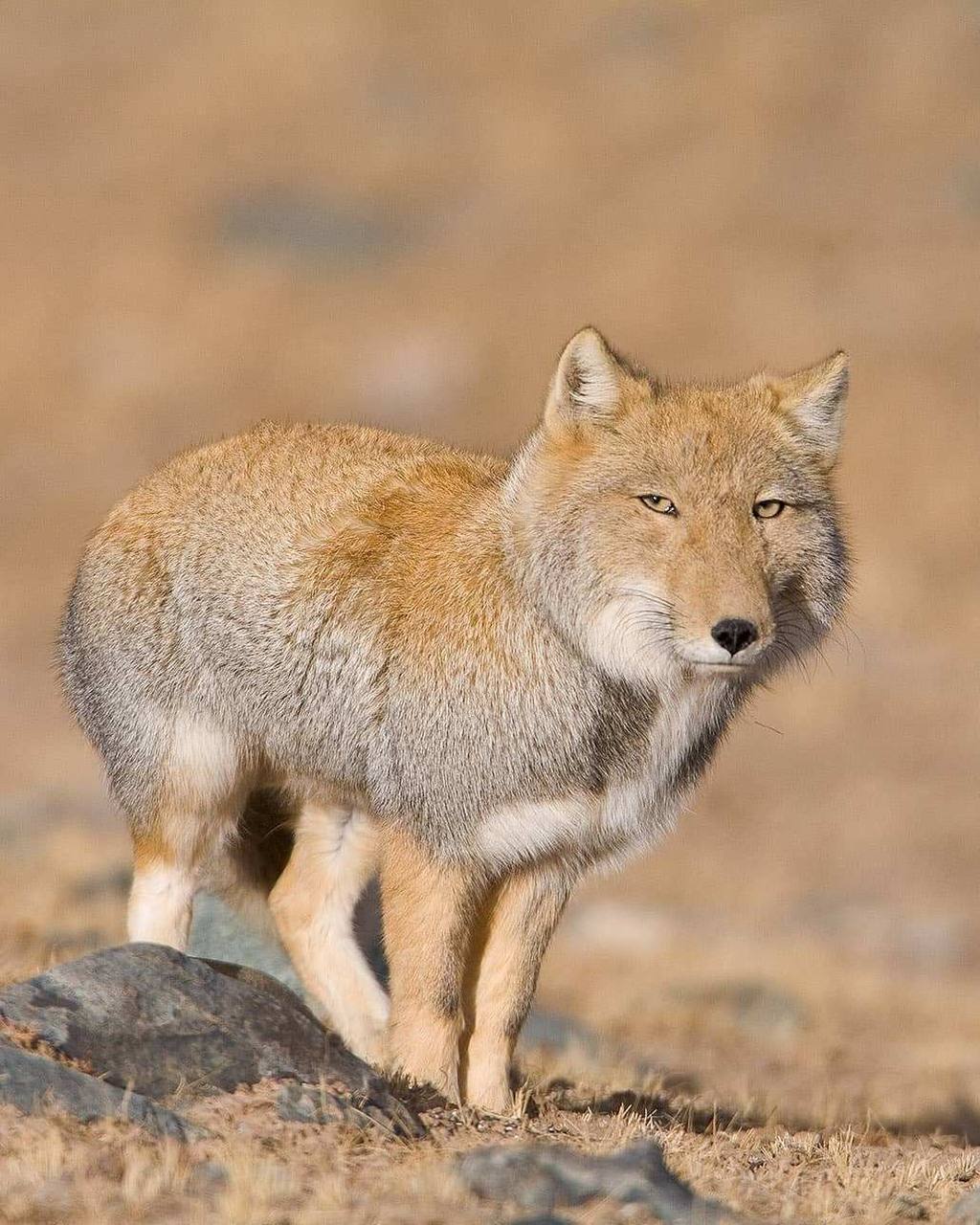
Borzai
1. Russian greyhounds, known as Russian wolfhounds, were bred in Russia in the seventeenth century to hunt wolves, combining speed and strength.
2. Their silk coat and slender physique allow them to reach speeds of up to 60 km / h, making them one of the fastest dogs.
3. Greyhounds have an independent character, similar to a cat, and prefer a calm lifestyle after active walks.
Tiger
1. Tigers.Panthera tigris) have a unique pattern of stripes, which is as individual as fingerprints and helps in masking.
2. Tigers can emit infrasound (up to 18 Hz), which causes fear in prey, making them more efficient to hunt.
3. Their jaws with a bite force of up to 1000 psi can kill prey with one bite in the neck or back of the head.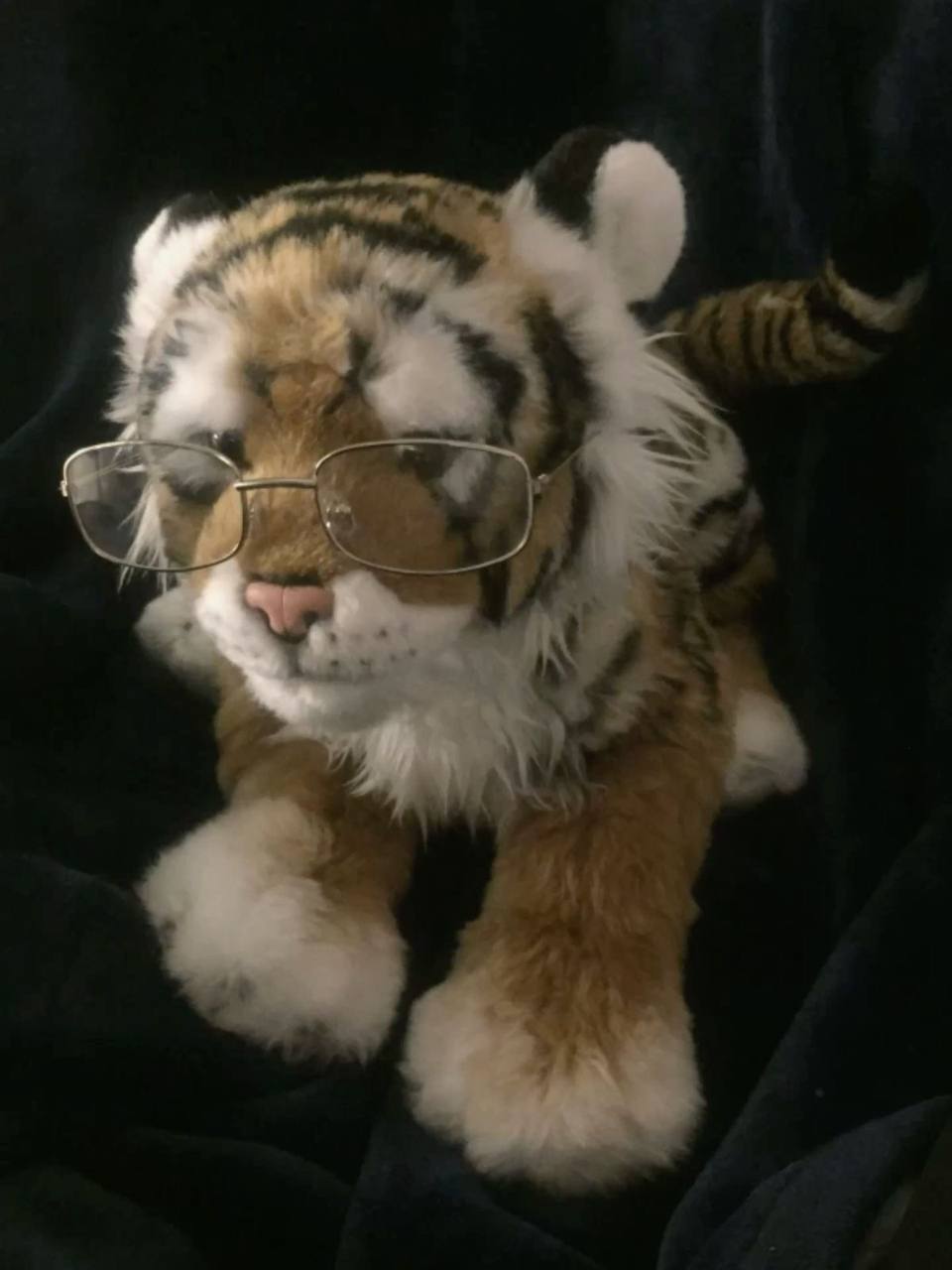
leopard
Video review
Horses.
• Horses were domesticated around 3500 BC in the region of Kazakhstan, which changed human culture and mobility.
• Horses have a complex system of communication, using up to 20 different sounds and facial expressions to express emotions.
• Their hooves are a unique adaptation, absorbing up to 70% of the shock load when running, which provides endurance.
• Populations of wild horses such as mustangs are declining due to habitat loss and conflicts with farmers, although domesticated breeds are thriving.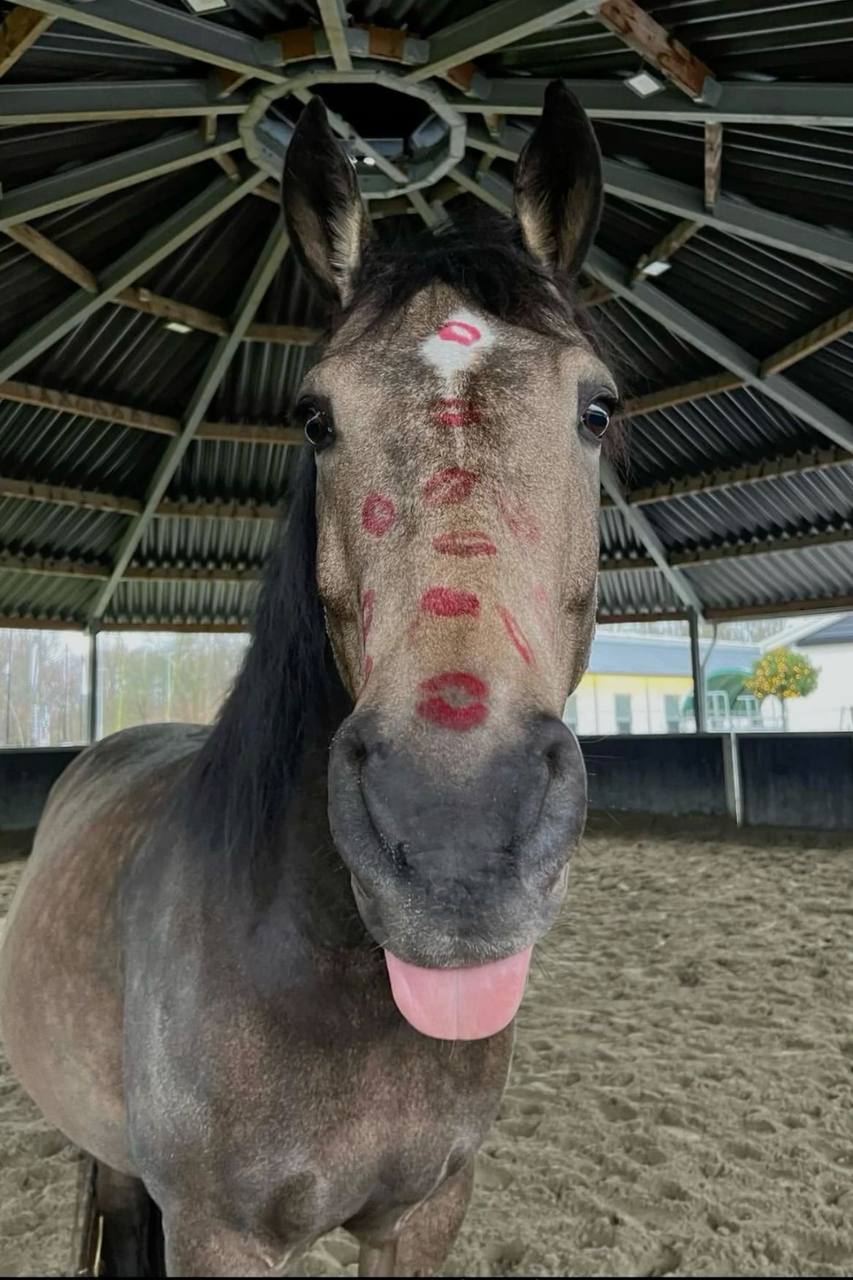
hyena
• Hyenas have a complex social structure where females dominate and their species makes sex determination difficult.
• Spotted hyenas can make up to 20 different sounds, including "laughter," for communication and coordination within a clan.
• Their jaws with pressures up to 1100 psi are capable of crushing bones, making them effective scavengers and hunters.
• The population of spotted hyenas is declining due to habitat loss and conflicts with humans, although they are not directly threatened with extinction.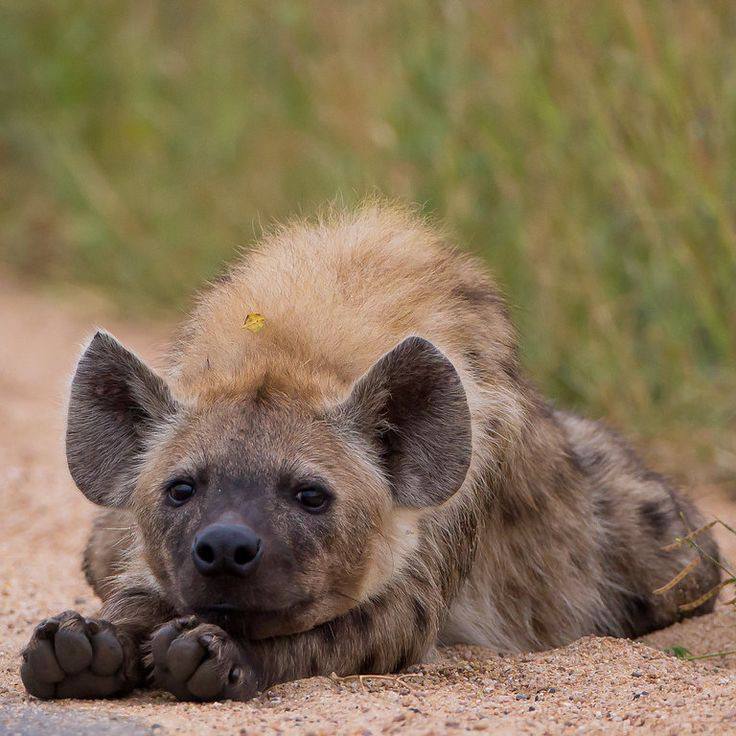
badger
• Badgers are extremely clean animals: they regularly replace the litter in their burrows, and for toilets dig individual holes located far from the main rooms.
• Badger burrows called setts can exist for centuries - some are over 100 years old, have up to 50 entrances and are passed down from generation to generation, serving as home to multiple families.
• Badgers sometimes share their burrows with other animal species such as foxes, rabbits and raccoon dogs, especially when food is plentiful - an example of niche segregation in nature.
• Dachshunds were specifically bred for badger hunting: their name means “badger dog” in German, and their body shape allows them to penetrate into burrows and drive out prey.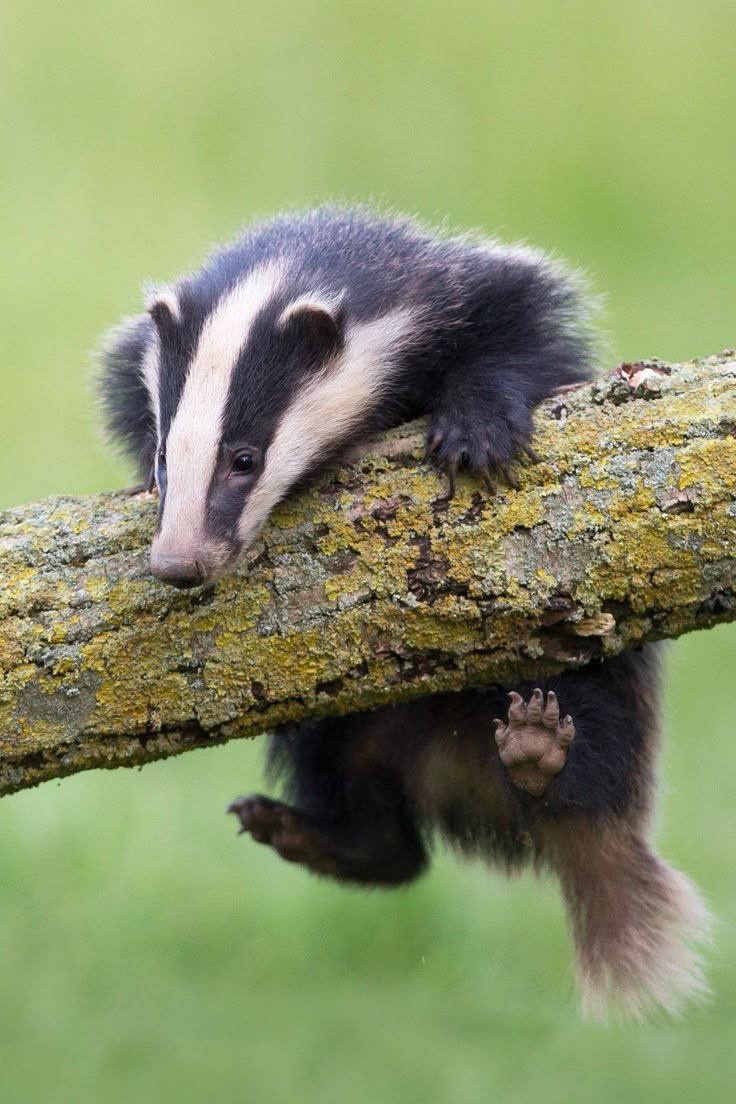
Border collie
Border Collie is a breed of shepherd dog bred on the border of England and Scotland (hence the name "border").. This is a medium-sized dog with an athletic build, long or short coat, often black and white, although other colors are found. Their intelligence and energy make them outstanding in herding work, as well as in dog sports such as agility and frisbee.
• The Border Collie is one of the most intelligent breeds of dog, able to memorize up to 1,000 words and execute complex commands.
• Their unique ability to “visual contact” allows them to effectively manage the herd, stopping the sheep with their eyes.
• Border collies can work up to 12 hours a day, covering up to 50 km, thanks to exceptional endurance.
• Their population faces threats of genetic diseases, such as eye abnormalities, due to a limited gene pool.
Butlers.
• Butterflies, or breedless dogs, have outstanding health benefits due to genetic diversity. Studies show that they are less likely to suffer from hereditary diseases. This allows them to live longer – sometimes up to 18-20 years old, with fewer visits to the vet. In addition, their immunity is stronger.
• The appearance and character of mongrels are full of surprises due to the unpredictable mixing of genes. No two individuals are alike. This diversity adds an element of adventure to the owners’ lives, as traits emerge gradually as they grow older.
• They often outperform purebreds in learning and adaptability without being “programmed” for specific traits. They are easier to train, less stubborn and can serve as guide dogs, therapeutic animals or even in police and rescue services.
• They occupy a unique ecological niche, helping to control the rodent population and reducing overproduction of pets - about three-quarters of dogs in shelters are breedless.
Forest cat
• The Forest Cat, or Felis silvestris, is the ancestor of all domestic cats, with domestication beginning about 10,000 years ago in the Middle East.
• Forest cats appear to be adapted to life in a variety of environments, including the Caucasus mountain forests at altitudes up to 2,000 meters, and can prey on birds such as nuisances from tree branches.
• It is likely that their diet includes not only rodents, but also young ungulates during periods of food shortage, as well as plant foods and insects.
• Forest cats face threats such as hybridization with domestic cats.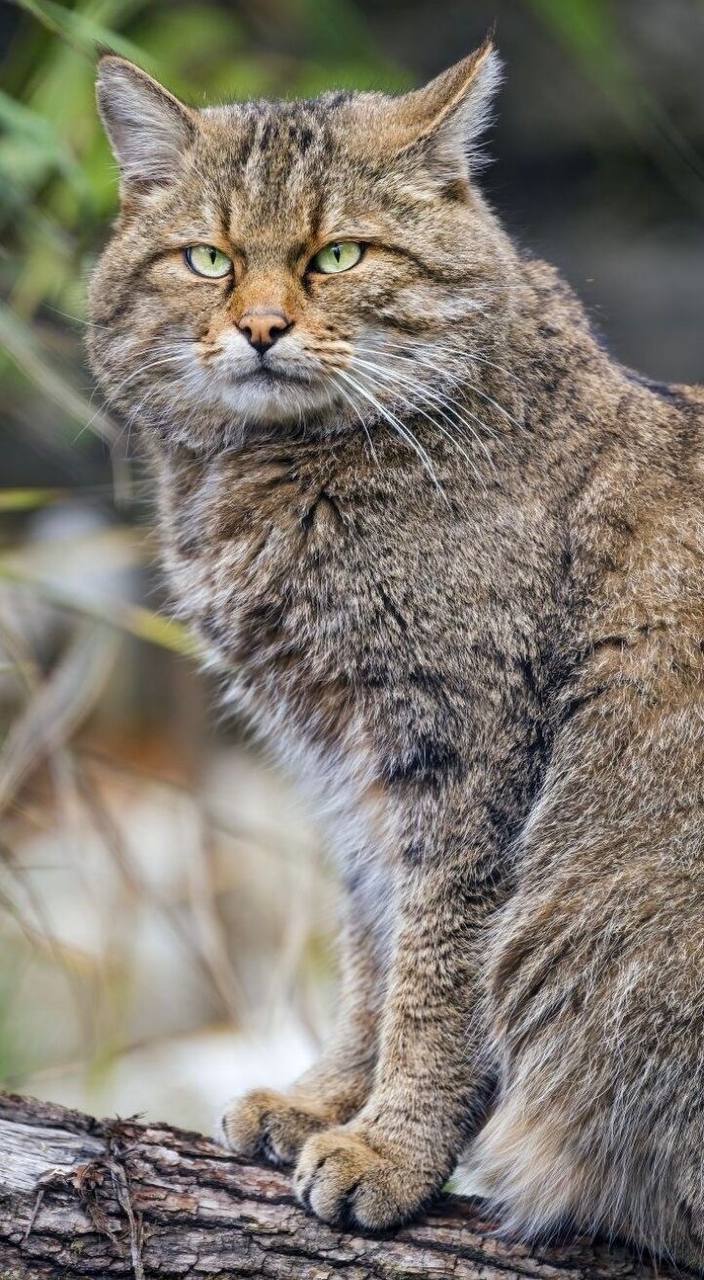
norca
• The European mink is one of the most secretive predators, active at night, has a unique white spot on the upper lip, distinguishing it from the American mink.
• It is believed that minks can swim up to 30 meters under water thanks to webbed paws and water-repellent coat.
• Minks use a complex system of communication, including sounds and chemical signals, to make unique sounds, including hissing and screeching, to communicate.
• The European mink is likely under threat from competition with the American mink, making it difficult to preserve.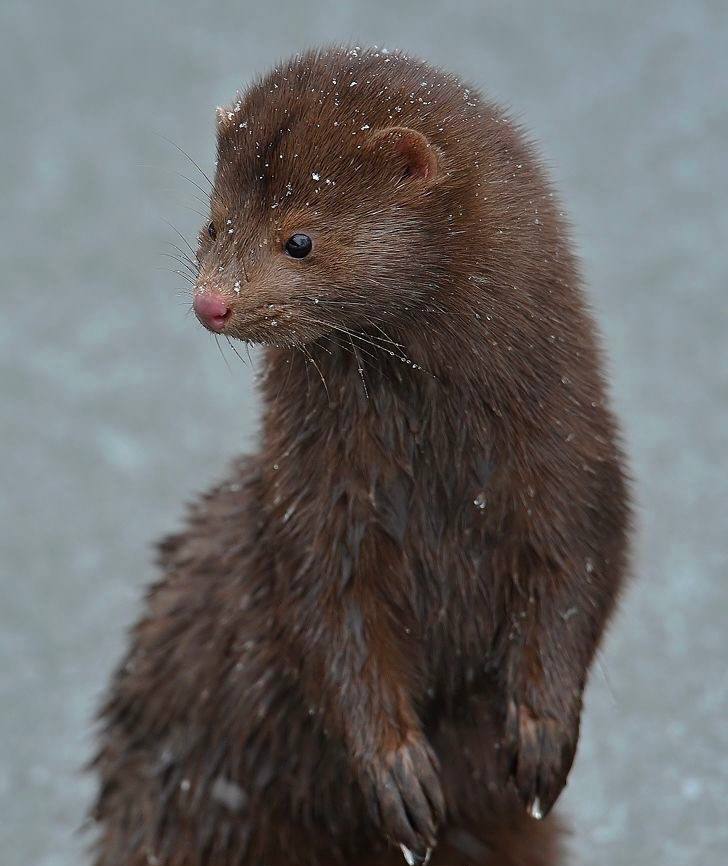
Bat.
1. The only mammals that actually fly
They do not plan like flying squirrels, but make active controlled flight with the help of wings.
2. Echolocation is more accurate than radar.
Some species distinguish between objects as thick as human hair and insects at a distance of tens of meters - in complete darkness.
3. They see more than they seem.
Most bats are not blind: they see at dusk, and some species distinguish between ultraviolet light.
4. Wings are hands.
The wing of a bat is a very elongated, membrane-lined finger, and by anatomy it's literally a flying hand.
5. Inverted landing - saving energy
They hang upside down not for the sake of exoticism: it is easier to take off without wasting energy on the run.
6. Longevity among small animals
With a mass of 10-20 g, many species live 20-40 years - a record for such sizes.
7. Superimmunity
Bats carry viruses that are dangerous to other mammals almost without harm to themselves - their immune system is constantly "on edge".
8. The role in the ecosystem is enormous.
One mouse eats up to 1,000 insects per night, including agricultural pests.
9. It's not just insectivores.
There are fruit-eating, nectar-eating, fish-eating and even predatory bats.
True vampires are only 3 species out of more than 1,400.
10. Social intelligence
They know how to recognize each other by voice, form “friendships” and pass on skills to young people.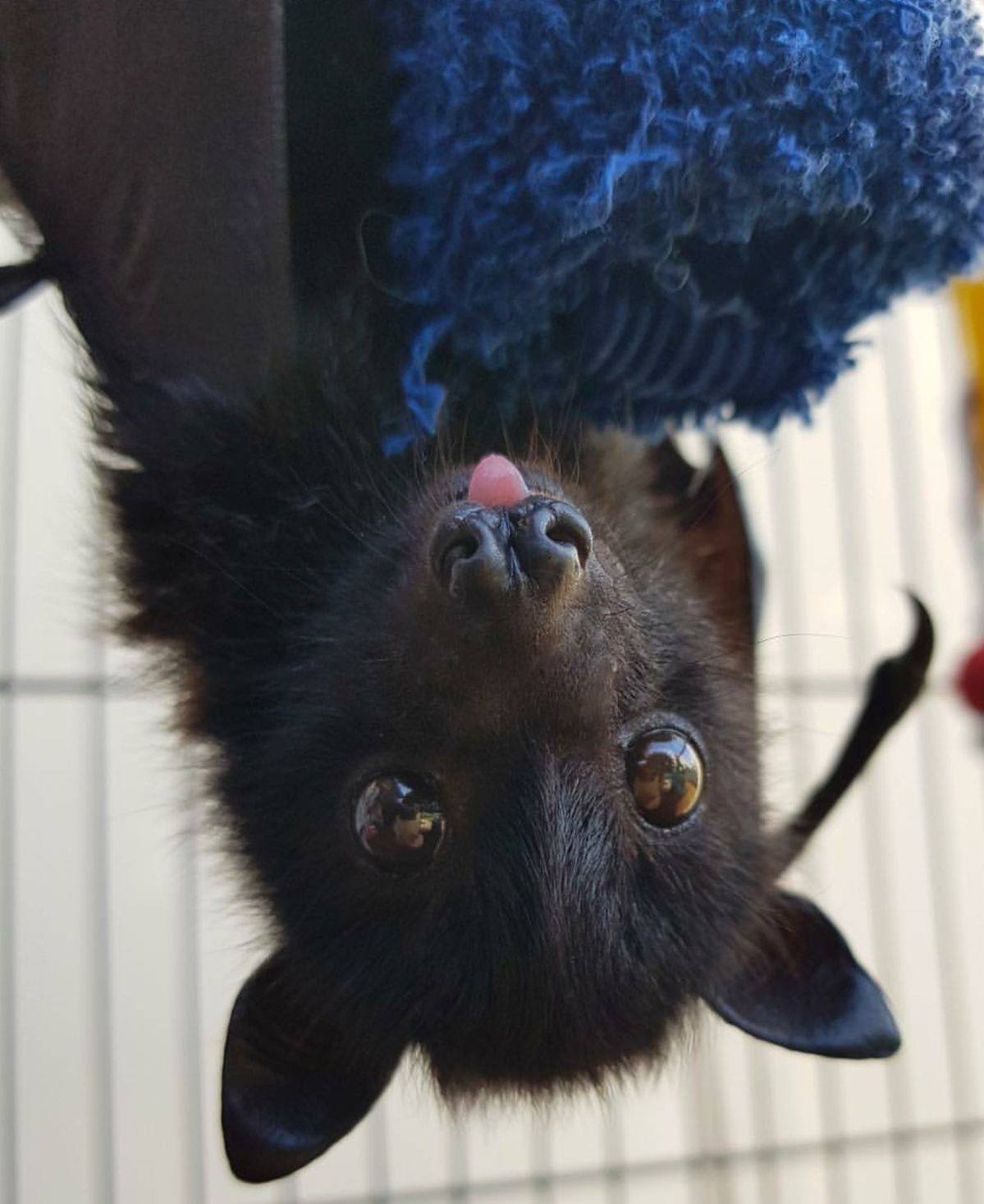
caracal
1. Ear-locators with tassel antennae
Long black tassels (up to 5 cm) on the ears of the caracal are not just decoration. They act as natural antennas, amplifying the slightest sounds in the desert, such as rodents rustling under sand. This is critical for night hunting in desert conditions.
2. Birds on the menu: Hunting in a jump
Caracal is the only cat that can catch birds in flight. He makes vertical jumps up to 3-4 meters in height, knocking down feathered paws. There are cases when a caracal caught several birds taking off in one attack.
3. Nose like a fingerprint.
The pattern on the nose of each caracal is unique, like a human fingerprint, a feature that scientists use to identify individuals in the wild.
4. "Cheering" instead of meowing
Caracals make almost no typical cat sounds, instead of meowing, they communicate by hissing, growling or wombing, and to “talk” with relatives use a rare for cat chirping, resembling bird chirping.
In ancient India and Persia, caracals were called “cheetahs for the poor” – they were trained to hunt antelopes and peacocks, which was not available to ordinary cats.
Unusual tolerance to thirst: Can do without water for up to 3 days, getting moisture from prey - an adaptation to life in the desert.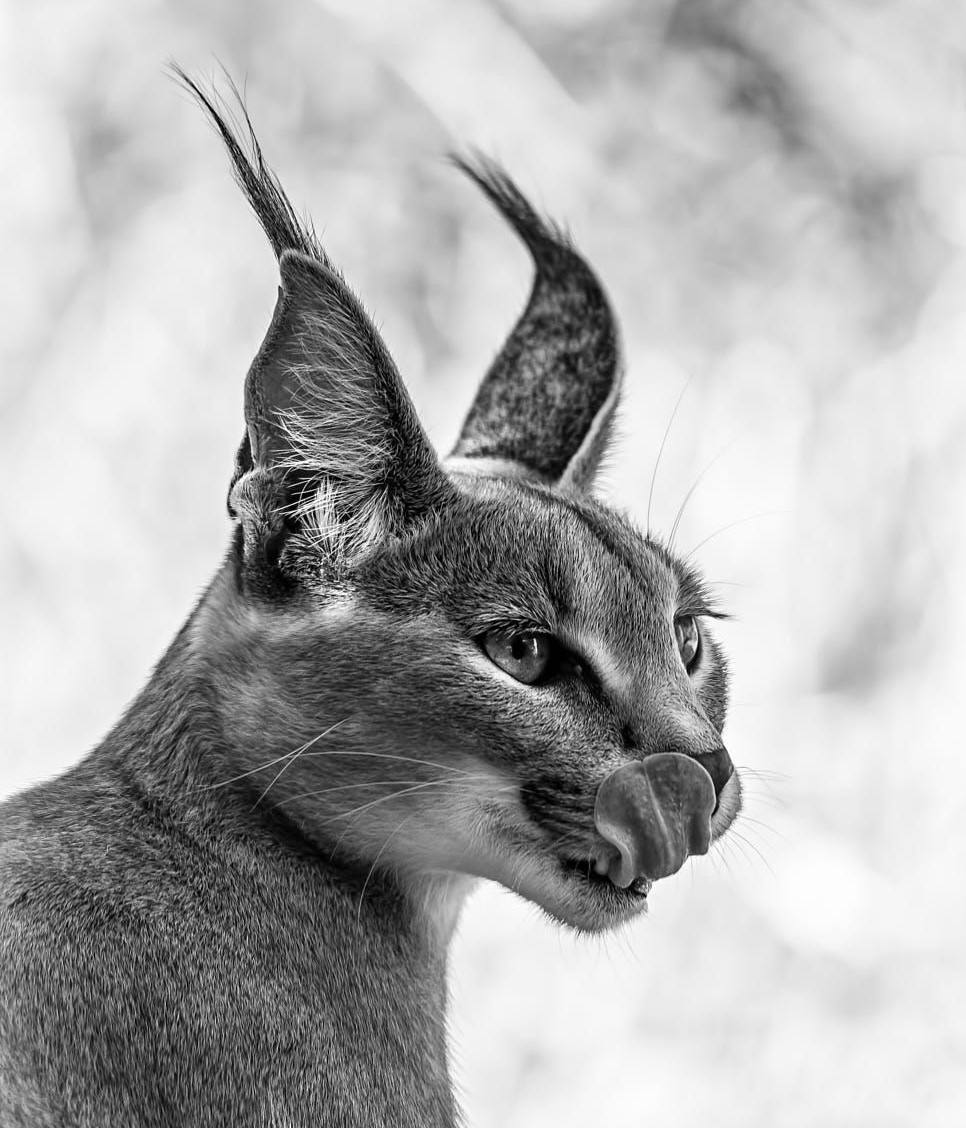
Trot
• Studies show that lynxes can travel more than 3,000 km, but the reason for these trips is unknown.
• Brushes on the ears of lynx have an unknown purpose, possibly to improve hearing or detect movement.
• Lynxes can climb trees and swim, which is unusual for cats of their size.
• It seems that the legs of the lynx are adapted for walking in the snow, with large sizes and hair for warmth.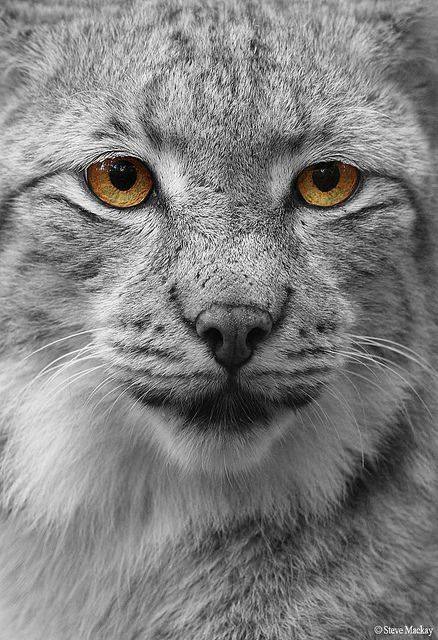
Lions
• Lions, known as the "jungle kings," have unique physical traits. Studies show that a male's mane can weigh up to 2 kg and darkens with age, reflecting his health and strength, which attracts females.
• It seems unlikely that lions can jump up to 11 metres, demonstrating impressive power: Their roar can be heard from up to 8km away, making it one of the loudest sounds in the animal kingdom.
• Surprisingly, lions have a rare mutation — white lions, not albinos, but the result of a genetic condition called leukism, found mainly in South Africa.
Flying squirrel.
1. She doesn't fly - she plans perfectly
The flying squirrel does not wave its wings, but plans with the help of a skin membrane (pathagia) stretched between the front and back legs.
2. Tail - steering wheel and brake
The flat furry tail works as a stabilizer: with its help, the flying squirrel changes direction and gently brakes before landing.
3. Bone "hook" in the wrist
In the front paws there is a special cartilage (styloid appendix), which stretches the membrane and makes the "wing" rigid - an engineering solution of nature.
4. The ultimate night navigator
Flyers are active at night, guided by vision, memory of routes and smells, they perfectly remember the location of trees and “airways”.
5. Almost invisible by day
During the day, the flying worm sleeps in hollows, often with others - 5-10 individuals to keep warm.
6. He doesn't hibernate.
Unlike marmots, flying worms are active all year round, and in winter they just go out less often and save energy.
7. Soft airbag.
Before landing, the flying man sharply raises the body and membrane - this reduces the impact, like a parachute.
8. Ancient lineage of evolution
Flyers emerged millions of years ago and developed planning independently of bats—an example of convergent evolution.
9. A rare and secretive beast
Due to the nocturnal lifestyle, flying squirrels are rarely seen, although they can live very close to humans.
10. Indicator of a healthy forest
Flyers depend on old trees with hollows, and if they exist, the forest is ecosystem-friendly.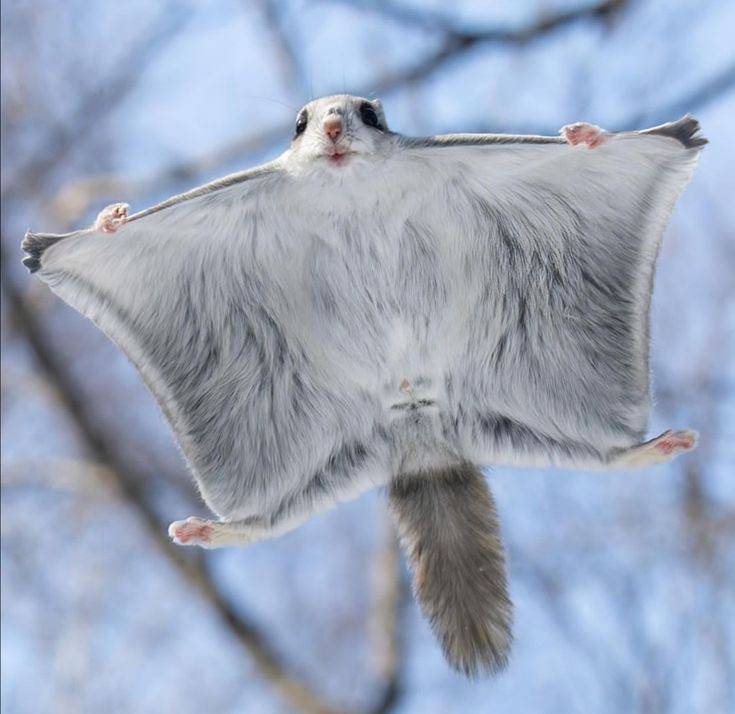
Cat.
• Cats have 250 bones, which is more than a human, which explains their flexibility.
• Cats can make up to 100 sounds, as opposed to 10 in dogs, highlighting the complexity of their communication.
• Male tricolor cats are very rare, at 0.1%, and are considered a symbol of good luck.
• Felett was the first cat to be sent into space in 1963 and returned safely.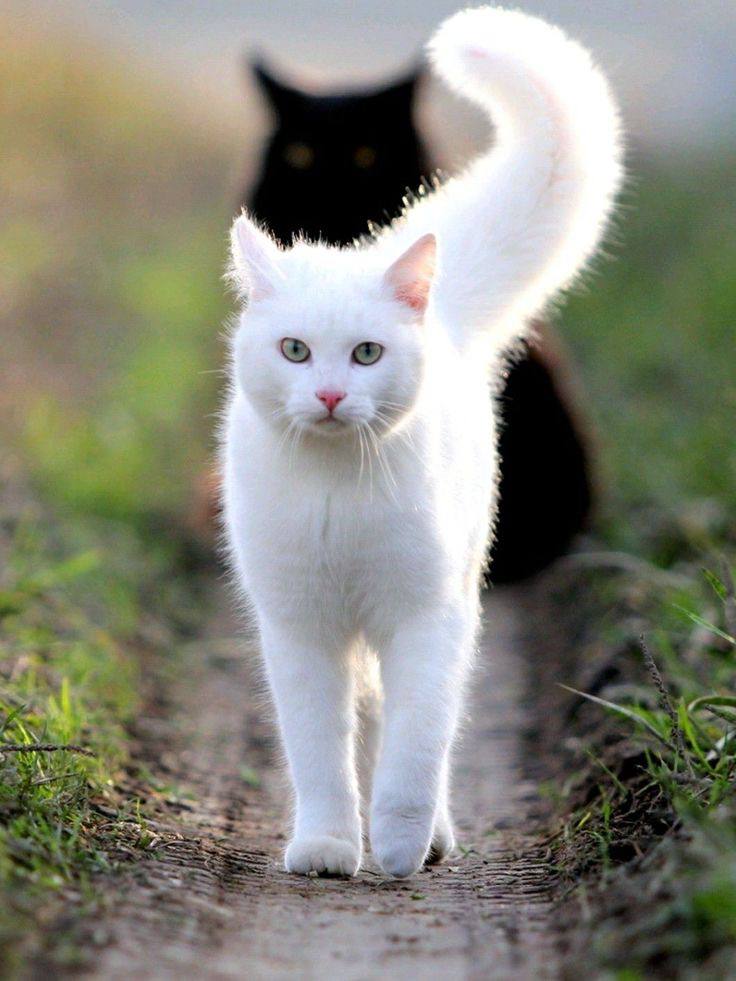
sereval
Serval is a medium-sized wild cat that lives in Africa. These animals are known for their long legs, large ears and spotted coat that helps them camouflage in the tall grass of the savannah.
Servals are excellent hunters, feeding mainly on rodents, birds and sometimes larger prey, and have a unique ability to jump high into the air to catch birds in flight.
Kunit
1.The feet of the marten's legs with the arrival of winter cold are covered with wool, which helps the animal to move easily on snowdrifts and ice.
2.Martens are omnivores, but in the summer and autumn, they eat plant foods: berries, nuts, fruits, rosehip, honey of forest bees. It picks fruits directly from the trees.
3.For most European countries, it is an iconic animal.
4.Forest marten games are very similar to cats.
5.On average, the length of martens is up to 55 cm, and the weight is up to 2.5 kg.
6.They climb trees very well, and they do a lot of trouble for birds. Stone martens can catch up and grab a bird that's jawning, and they also climb into nests and eat eggs.
7.Fly marten, of course, can not, but jumps at a distance of up to 4 m. Add here speed and dexterity - you will get tireless and very lucky hunter!
8.If the marten has a goal, it will be achieved. When she feels fear, she becomes more ferocious!
9.In some situations, martens may meow like cats, and the rest of the time they squeak!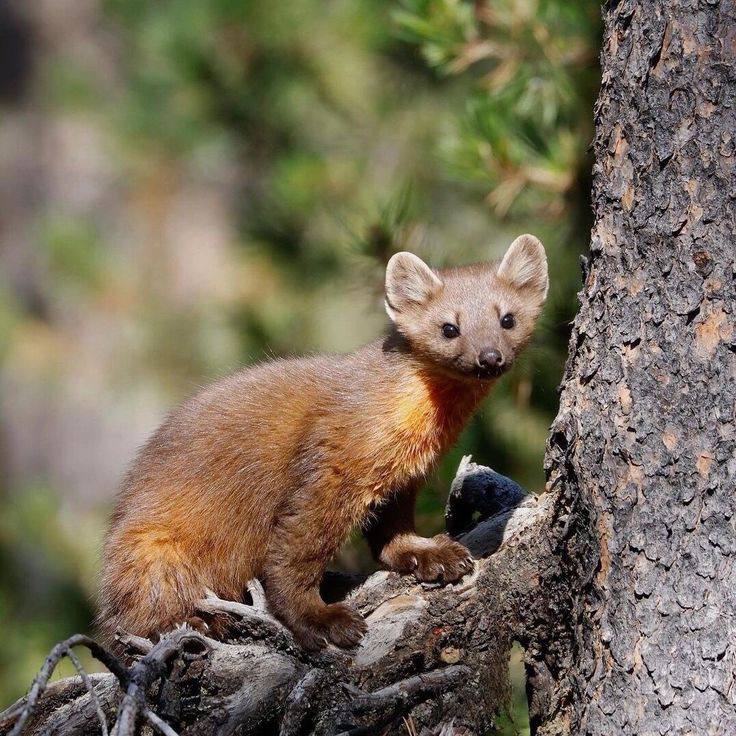
Sandwich
1.The fox is the record holder for thermal insulation: his fur is recognized as the warmest among all animals of the Arctic, thanks to this he calmly endures frosts up to -70 ° C.
2.During seasonal migrations, foxes sometimes cover a distance of up to 3-4 thousand kilometers.
3.The foxes often follow polar bears and eat up the remains of seals.
4.In times of famine, foxes are able to slow down their metabolism by almost half, and this does not affect their activity.
5.The foxes form stable pairs, and they can be friends with families, sometimes they come together as a group of two or three families, but this is more of an exception.
6.Nature has taken care of the eyes of the fox: the iris of animals is noticeably pigmented, which allows them not to go blind from the bright light!
7.In Canada, there was a case of a bear and a fox friendship. Playing and eating in half!
8.The foxes are silent, but if in the snow you hear a cry similar to crying, do not worry - this is a fox communicating with his relatives!
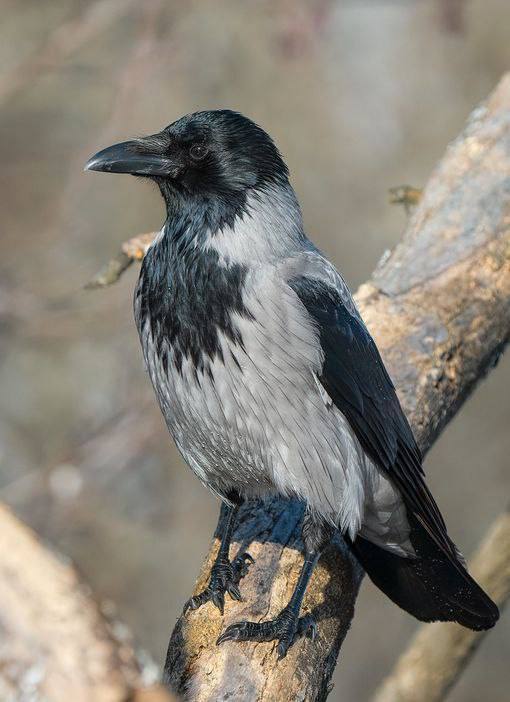
Raven.
1.Numerous observations prove that birds can ride from ice and snow-capped slides, and other smooth surfaces. And even make yourself "sledge" from the bark of trees. Another fun is tossing one object so that another crow catches it.
2.Crows can hover in the air for a long time, do somersaults and even fly upside down a little.
3.Crows band together to ward off predators, crows have many enemies, birds of prey and animals, and they attract relatives with a special cry to the predator.
4.Crows can remember faces. They can remember and recognize faces of people and other animals, and they can also remember places where they find food.
5.Crows have personality: Studies have shown that crows have individual characteristics and can distinguish between each other!
6.Intelligence helps crows quickly explore new places, finding shortcuts to food, remembering where they've been and bypassing traps.
7.By the way, about traps: crows can set traps for other animals to take food from them or distract their attention from resources.